Heat Survival Guide: How to Stay Alive in Extreme Temperatures.
A technical survival guide explaining how extreme heat affects the human body and how to manage hydration, movement, shelter, and decision-making in high-temperature environments.
 P24
P24
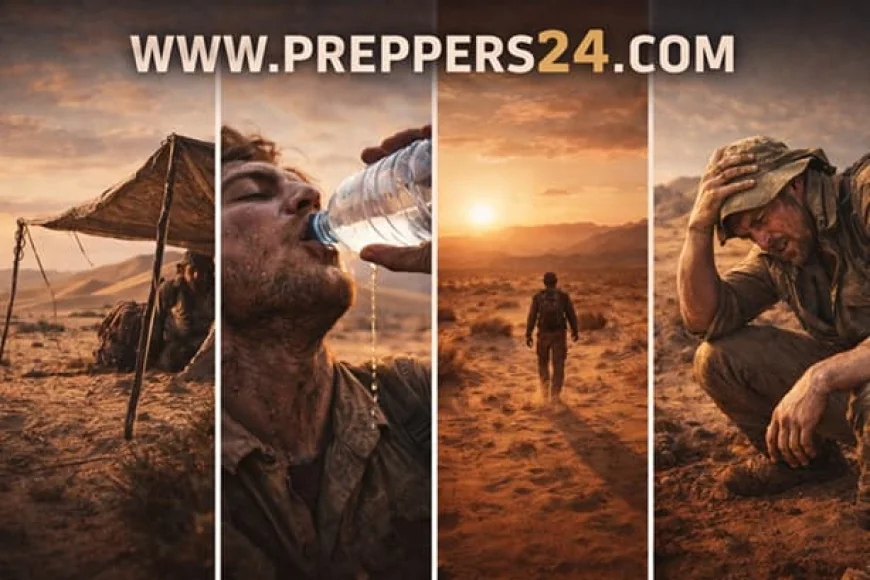
Heat Survival Guide: How to Stay Alive in Extreme Temperatures
Extreme heat is deceptive. It does not feel immediately lethal, yet it silently dismantles the body’s cooling systems until collapse becomes unavoidable. In hot environments, survival depends on thermal management, water discipline, and timing, not toughness.


Heat kills through mistakes made too late to reverse.
How Heat Actually Kills
The human body cools itself primarily through evaporation. When humidity is high, airflow is low, or water is scarce, this system fails. Core temperature rises, enzymes malfunction, and organs begin to shut down.
Heat exhaustion progresses into heatstroke quickly. Once confusion sets in, self-rescue becomes unlikely.
Hydration Is a System, Not a Sip
Drinking water alone is not enough. Excessive water intake without electrolytes can dilute sodium levels, causing hyponatremia—often mistaken for dehydration.
Small, regular intake is superior to large infrequent drinks. If urine is dark, you are already behind.
Never ration water by skipping drinking. Ration movement, not hydration.
Movement Strategy: Time Beats Speed
In heat, movement should follow temperature cycles. Travel early morning or late evening. Midday movement dramatically increases water loss and heat load.
Shade is not optional—it is infrastructure. Plan routes around shade availability, not distance.
If you feel strong at noon, you are probably making a mistake.
Shelter Against Heat
Heat shelters differ from cold shelters. Airflow matters more than insulation. Shade that allows wind penetration reduces thermal load far better than sealed spaces.
Use reflective surfaces if possible. Ground insulation also matters—hot ground radiates heat upward long after sunset.
Clothing and Heat Control
Loose, light-colored clothing protects better than exposed skin. Sunburn accelerates dehydration and heat stress.
Covering the head is critical. The brain is highly sensitive to temperature increases, and cognitive decline begins early.
Signs You Must Stop Immediately
-
dizziness
-
nausea
-
confusion
-
chills despite heat
-
headache
These are not warnings. They are system failures.
Stop, shade, cool, hydrate. Pride has no survival value here.
One Counterintuitive Truth
Extreme heat survival often requires doing less, not more. People die trying to “push through.”
Yes, even experienced people.
Pro Tip – Survival Advice
Heat survival planning should start before exposure. Acclimatization matters. Gradual heat exposure improves sweat efficiency and electrolyte balance over time. Sudden exposure kills.
And remember: the sun does not care about your motivation.
Final Thoughts
Heat is a logistics problem disguised as weather. Control timing, control water loss, and respect thermal limits. Survival in extreme heat is not heroic—it is calculated.
Those who slow down live longer.