Cold Weather Survival: How to Avoid Hypothermia When Temperatures Drop
Learn how to survive cold weather and avoid hypothermia. This guide explains heat loss, insulation strategies, shelter, movement, and decision-making in freezing environments.
 P24
P24
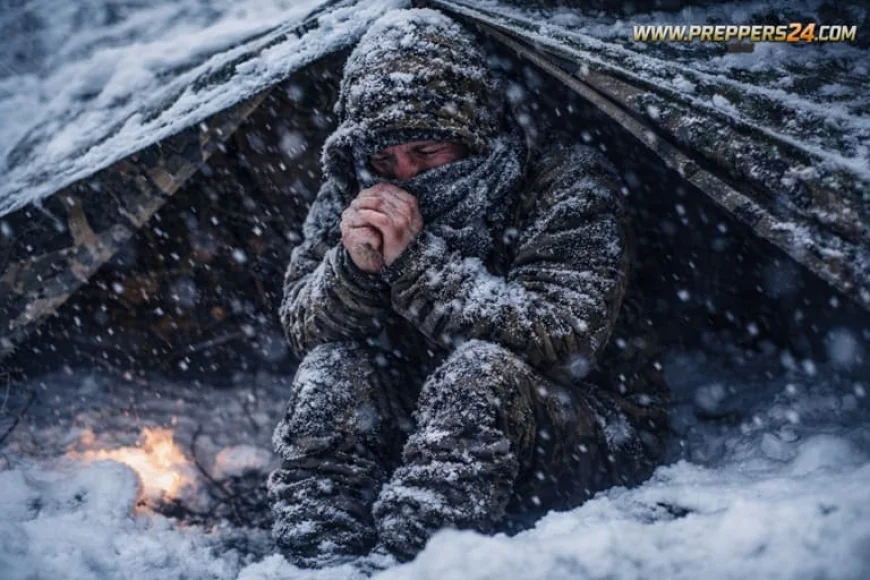
Cold Weather Survival: How to Avoid Hypothermia When Temperatures Drop
Cold weather does not kill quickly. That is what makes it dangerous. Hypothermia works slowly, quietly, and methodically, degrading judgment long before physical collapse occurs. Many victims of hypothermia make fatal decisions while believing they are thinking clearly.


Surviving cold environments is not about toughness. It is about heat management.
Understanding How Heat Is Lost
The human body loses heat through four mechanisms: conduction, convection, radiation, and evaporation. In survival situations, conduction and convection are usually the most aggressive threats.
Contact with cold ground drains heat faster than cold air. Wind strips away body heat by replacing warm air near the skin with cold air. Wet clothing accelerates heat loss dramatically. Once moisture enters the system, hypothermia accelerates.
Clothing Strategy: Insulation and Layering
Layering is not about warmth alone; it is about control. The base layer manages moisture, the mid-layer traps heat, and the outer layer blocks wind and precipitation.
Avoid sweating. Excessive sweating in cold environments is a common beginner mistake. Wet clothing equals future hypothermia. Move slowly, regulate effort, and vent layers when necessary.
If you ever wondered why experienced outdoorsmen look underdressed, this is why.
Shelter as a Heat Multiplier
Shelter reduces heat loss more effectively than adding layers alone. Blocking wind can double perceived warmth even without fire.
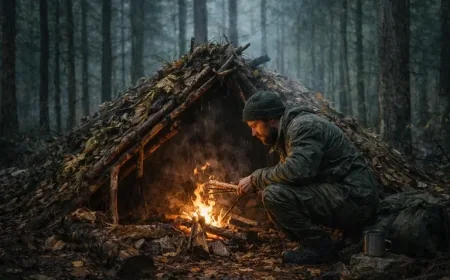
A compact shelter retains body heat better than a large one. Insulation from the ground is critical. Leaves, pine needles, spruce boughs, and dry grass create an effective thermal barrier when layered thickly.
Cold kills at night. Shelter must be completed before darkness.
Movement vs. Stillness
Movement generates heat, but it also consumes calories and increases sweat risk. Stillness conserves energy but accelerates heat loss if insulation is inadequate.
The correct approach is controlled movement: small tasks, frequent pauses, and constant reassessment of body temperature.
If your hands lose dexterity, hypothermia is already progressing.
Fire: Useful but Not Mandatory
Fire is helpful but unreliable in severe cold. Wind, moisture, and fuel scarcity can make fire maintenance difficult.
Do not base your survival strategy solely on fire. Shelter and insulation are more dependable long-term solutions.
Psychological Effects of Cold
Cold impairs decision-making. People underestimate risk, ignore symptoms, and delay action. This is why hypothermia victims are sometimes found without clothing — a phenomenon caused by neurological confusion.
Cold survival requires discipline, not optimism.
Pro Tip – Survival Advice
Always treat cold as a system failure, not an inconvenience. When preparing for winter emergencies at home or off-grid scenarios, reliable backup power can make a significant difference for heating, lighting, and communications. Many people quietly prepare using modern portable power stations and solar solutions available through trusted platforms like Allpowers, long before winter actually tests their setup.
And remember: shivering is not a sign of weakness — it is your body screaming for better decisions.
Final Thoughts
Cold weather survival is a game of margins. Small mistakes compound quickly, while small advantages stack in your favor. Control moisture, block wind, insulate aggressively, and think ahead.
Hypothermia does not care how brave you feel.