Survival Fire Techniques: How to Start a Fire Without Matches
A practical survival guide explaining how to start a fire without matches or a lighter. Learn reliable fire-starting methods using natural materials and simple tools in real survival conditions.
 P24
P24
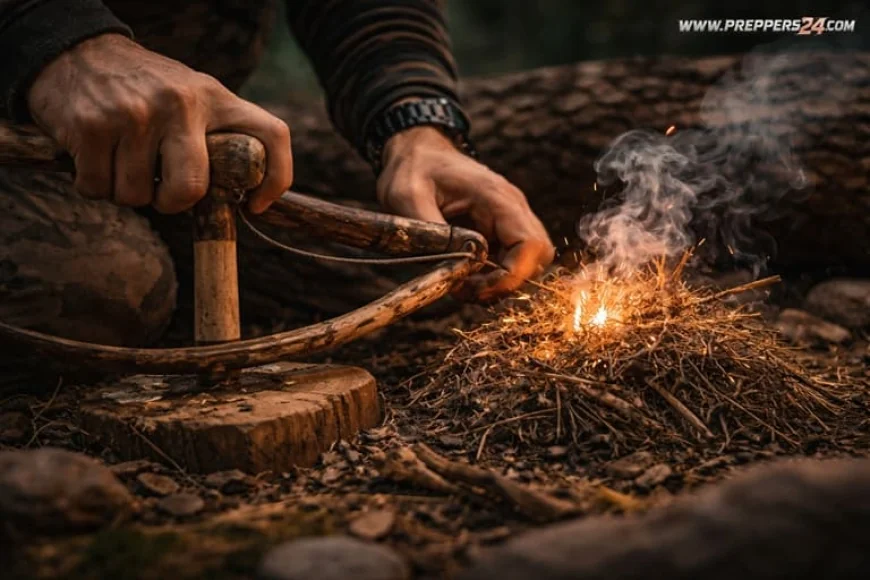
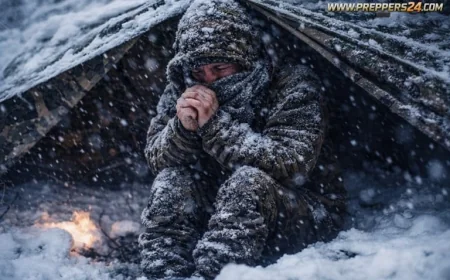
Survival Fire Techniques: How to Start a Fire Without Matches Fire is survival leverage. With fire you gain warmth, clean water, cooked food, light, protection, and morale. Without fire, even mild conditions can turn dangerous surprisingly fast. Starting a fire without matches is not a trick — it is a core survival skill. And no, rubbing two random sticks together like in movies usually ends with frustration and regret.


Step 1: Prepare Everything Before You Try Fire is built before the spark, not after. Gather tinder, kindling, and fuel first. Tinder should be dry and fine: birch bark, dry grass, wood shavings, pine resin, or feather sticks. Kindling comes next — small twigs, then thicker sticks. Only after that do you think about ignition.
Step 2: Friction Fire Methods The bow drill is the most reliable friction method when done correctly. It requires practice, proper wood selection, and patience. Softwood against softwood works best. Speed and pressure matter, but consistency matters more. This is not a race — it is controlled suffering.
Step 3: Spark-Based Methods If you have a ferro rod, use it. Sparks are faster and more reliable than friction. Direct sparks into your tinder bundle, not onto bare ground. Even improvised sparks from steel and stone can work with the right tinder, but results vary.
Step 4: Shelter the Flame Wind kills fire faster than lack of fuel. Use your body, a backpack, or rocks to block wind. Build a small fire first — large fires are built from small successes. Think “campfire,” not “signal fire,” unless rescue is the goal.
Step 5: Fire Discipline Once fire is established, feed it gradually. Do not smother it with thick wood too early. A controlled fire lasts longer, uses less fuel, and draws less unwanted attention — especially important in real survival scenarios.
Step 6: Fire Safety Never build a fire inside an enclosed shelter without ventilation. Smoke and carbon monoxide are silent killers. Clear the ground beneath the fire to mineral soil if possible. One Honest Survival Reality The first time you try friction fire, it will probably fail. That is normal. Survival skills reward stubborn people, not optimistic ones.
Pro Tip – Survival Advice Practice fire-starting when your life does not depend on it.
Wet weather, cold fingers, and stress change everything!
Mastery comes from repetition, not theory. Also, if you want reliable backup power for emergencies at home — especially during blackouts — it’s worth looking at modern portable power stations and solar solutions available here: check dependable off-grid power options before you actually need them. Because trying to charge your phone with hope alone does not work. Final Thoughts Fire turns survival from endurance into control. When you can make fire on demand, the environment stops being an enemy and starts becoming a resource.