How to Find and Purify Water in a Survival Situation
Learn how to find and purify water in a survival situation. This guide covers natural water sources, purification techniques, and critical mistakes to avoid.
 P24
P24
How to Find and Purify Water in a Survival Situation
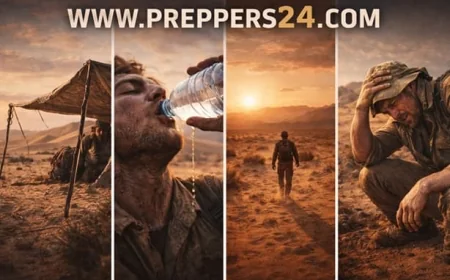
Water is the most critical resource in any survival scenario. A human can survive weeks without food, but only days without water. Dehydration weakens the body, clouds judgment, and accelerates death.


In survival, water discipline is as important as water discovery.
Step 1: Understand Where Water Is Likely to Be Found
Water follows terrain. Low ground, valleys, and natural drainage areas are more likely to contain water than high ridges. Animal tracks, dense vegetation, and insect activity often indicate nearby moisture.
In forests, look for streams, creeks, and damp soil. In open terrain, search for shaded areas, rock depressions, or dry riverbeds that may still contain underground moisture.
Step 2: Collect Water Safely
Avoid stagnant water whenever possible. Flowing water is generally safer than still water. Collect water from the clearest source available.
If no open water exists, moisture can be gathered from morning dew using cloth, or extracted from vegetation using condensation methods.
Step 3: Never Drink Untreated Water
Clear water is not safe water. Parasites, bacteria, and viruses can be present even in mountain streams.
Drinking untreated water can cause severe illness, weakness, and dehydration—often worse than thirst itself.
Step 4: Boiling as the Most Reliable Method
Boiling water for at least one full minute kills most harmful microorganisms. At higher altitudes, extend boiling time.
Boiling is the safest purification method when fuel is available.
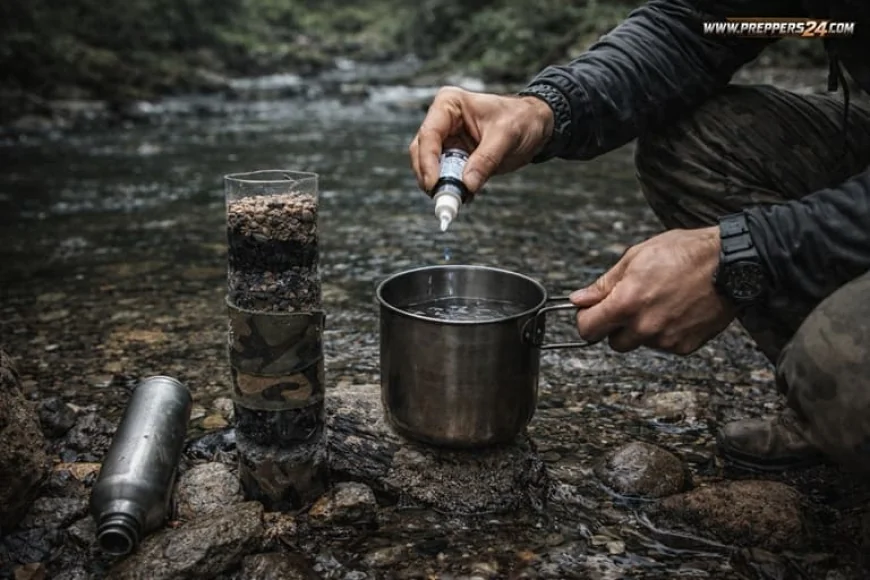
Step 5: Filtration and Improvised Filters
If boiling is not possible, filtration can reduce contaminants. Use cloth, sand, charcoal, and gravel layers to remove debris.
Filtration alone does not guarantee safety but improves water quality before additional purification.
Step 6: Chemical and Natural Purification Methods
Water purification tablets or drops are effective when available. In extreme situations, sunlight exposure using clear containers can help reduce biological contamination.
These methods are slower and less reliable than boiling but better than drinking untreated water.
Step 7: Water Management Discipline
Drink regularly but ration intelligently. Avoid gulping large amounts at once. Protect purified water from recontamination.
A steady water supply preserves strength, clarity, and survival capability.
Final Thoughts
Finding water keeps you alive today. Purifying it keeps you alive tomorrow.
In survival, water is not just a resource—it is control over time.